20 Yard Dumpster: The Complete Guide to Utah's Most Popular Size
Everything you need to know about the most versatile residential dumpster size: exact dimensions, capacity equivalents, weight limits, pricing, perfect projects, and detailed comparisons to help you decide if a 20-yard is right for your renovation or cleanout.
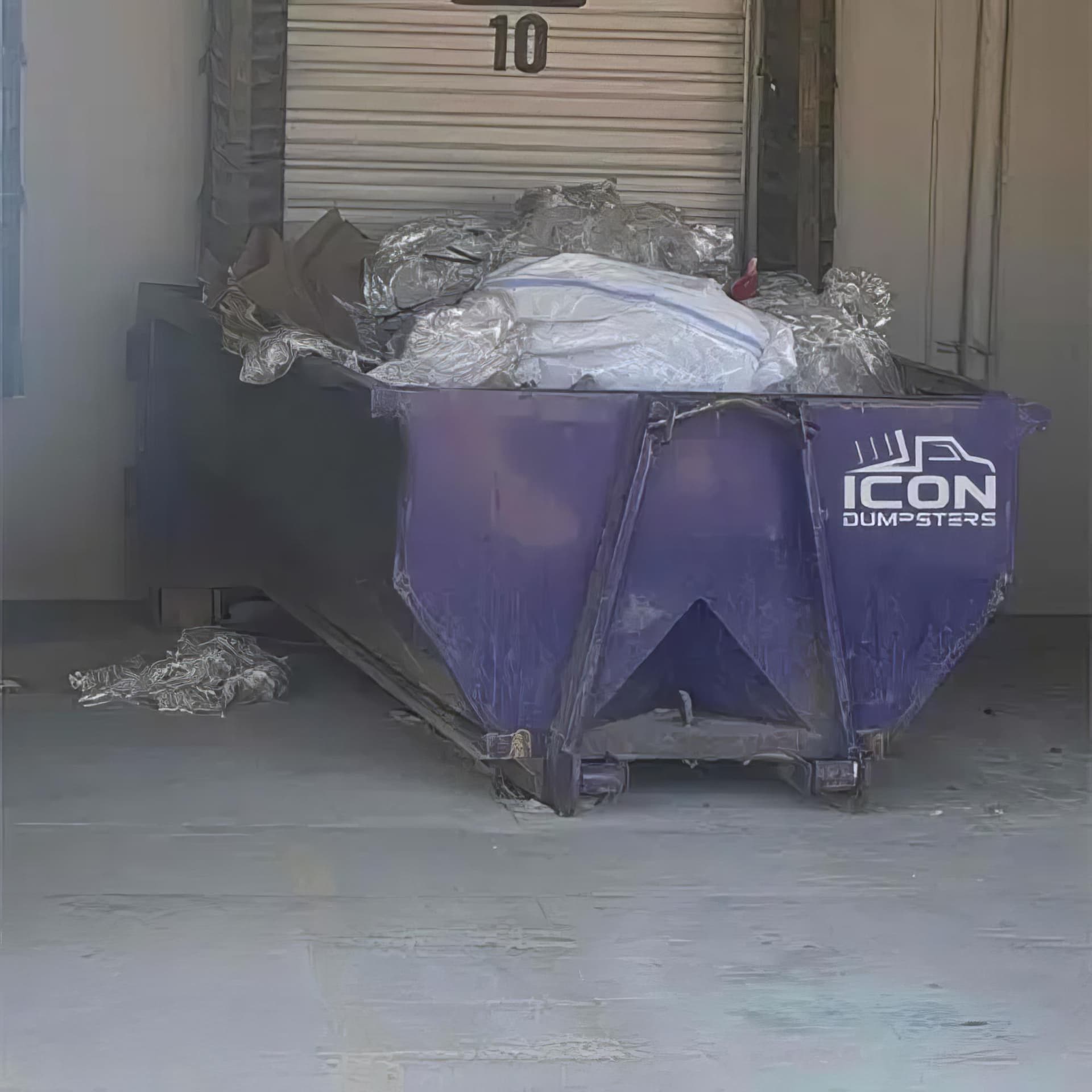
Quick Answer
A 20-yard dumpster measures 22 feet long × 7.5 feet wide × 4.5 feet high, holds approximately 8-10 pickup truck loads, and includes 2-3 tons of debris for $400-$500 in Utah. It's the most popular residential size because it perfectly balances capacity and cost for medium-sized renovation and cleanout projects.
Why the 20-Yard Dumpster is Utah's Most Popular Size
After years helping homeowners and contractors with dumpster rentals, I can tell you with certainty: the 20-yard dumpster is the Goldilocks of residential waste management. It's not too small that you'll run out of space halfway through your project. It's not so large that you're paying for unused capacity. It sits right in the sweet spot where most residential renovation and cleanout projects need it to be.
The 20-yard has become the industry standard for good reason. It handles the debris from a full kitchen remodel without breaking a sweat. It absorbs a 25-square roof tear-off with room to spare. It's spacious enough for multi-room renovations or a whole-house estate cleanout, yet compact enough to fit in most residential driveways without causing access problems. When homeowners call asking "what size do I need?", the answer is overwhelmingly the 20-yard—and rarely are they disappointed with the choice.
20-Yard Dumpster Dimensions: Exact Specifications
Understanding the physical size of your dumpster matters. You need to know it fits in your space, doesn't block utilities or emergency access, and can be positioned where you're actually generating waste. Here are the exact specifications:
20-Yard Dumpster Physical Specifications
*Dimensions vary slightly between manufacturers. Always confirm with your hauler before placement to account for clearance needs and local regulations.
What these dimensions mean: The 22-foot length makes it suitable for most residential driveways, though you may need to clear trees or low wires on the driver's approach. The 7.5-foot width is moderate—about as wide as a standard single-car garage door. The 4.5-foot height allows you to load heavy material comfortably without climbing high, and it clears most residential garage doors and low-hanging branches. The key takeaway: a 20-yard fits most properties without special accommodations, unlike 30-yard boxes that require more space.
20-Yard Dumpster Capacity: What Can You Actually Fit?
Capacity is more than just cubic footage. It's about how much debris your project generates and how much it weighs. Understanding both helps you avoid costly overage fees.
Volume Equivalent: 8-10 Pickup Truck Loads
A 20-yard dumpster holds roughly 8-10 full pickup truck loads of mixed household or construction debris (loose material, not compacted). This is how most people visualize capacity. If you're thinking "my project will fill about 8-9 truck loads," a 20-yard is your size. This estimate assumes typical mixed debris like drywall, wood framing, flooring materials, and general household junk—not densely packed material like brick or solid concrete blocks, which would fit far fewer truckloads.
Weight Capacity: 2-3 Tons Included
Most 20-yard rentals include 2-3 tons of debris weight in the base price. This is critical because heavy materials can exceed weight limits before the box fills up. For example, asphalt shingles (roofing) weigh about 250 pounds per 100 square feet. A 25-square roof tear-off = 2,500 pounds = 1.25 tons. Add some plywood sheathing, flashing, and nails, and you're at 1.5-2 tons just from roofing materials—easily consuming half or all of your included weight limit in a single-layer tear-off.
Weight Management Matters More Than Volume
Many homeowners fill a 20-yard dumpster only 60-70% full and still hit weight limits. This happens with:
- • Roofing materials (shingles, wood, metal flashing)
- • Concrete, brick, or tile (dense and heavy)
- • Soil, sand, or dirt from landscaping
- • Hardwood flooring or solid wood furniture
- • Appliances, cast iron, or metal scrap
Perfect Projects for a 20-Yard Dumpster
The 20-yard excels at medium-to-large residential projects. Here are the scenarios where it's the perfect fit:
Kitchen Remodel (Complete Gut)
A full kitchen renovation—removing cabinets, countertops, flooring, old appliances, and partial wall removal—generates 1.5-2.5 tons of mixed debris. The dumpster stays in place 7-10 days while you demo, rebuild, and cleanup. Total waste: easily fits in 20 yards with room for related bathroom or entryway updates. Cost: $400-$500 covers the entire project.
Roof Tear-Off (20-30 Squares)
This is where a 20-yard shines. A roof is typically measured in 100-square-foot sections ("squares"). A 20-30 square residential roof (1,500-2,500 sq ft total roof area) generates 1.5-2.5 tons of shingles, plywood, nails, and flashing. Some contractors prefer 30-yard boxes for larger roofs to keep weight manageable, but a 20-yard handles 20-25 squares comfortably. Pro tip: if you're removing old shingles from a roof larger than 25 squares, ask the hauler about weight limits before booking—two-layer tear-offs on older homes can be dense.
Multi-Room Renovation or Addition Framing
Renovating multiple rooms (bathroom + hallway + bedroom, for instance) or framing a home addition generates plenty of wood, drywall, insulation, and miscellaneous construction debris. A 20-yard contains this easily, and drywall—while voluminous—is lightweight, so you'll max volume long before hitting weight limits.
Estate Cleanout or Whole-House Junk Removal
Clearing an entire home after a sale, foreclosure, or downsizing often fills a 20-yard. Furniture, boxes, clothing, kitchen items, broken appliances—household junk is bulky but light. A 20-yard handles a typical 2,000-3,000 sq ft home's contents without overage fees. Heavier items (pianos, large appliances) may trigger overage, but general household goods fit perfectly.
Deck or Fence Removal
Removing a large deck (16' × 20' = 320 sq ft) or replacing fence sections (100+ linear feet) creates significant wood debris. A 20-yard captures this with room to spare. If you're demo-ing treated lumber, ask about recycling options—some facilities offer discounts for clean wood, which could reduce disposal costs.
Bathroom Remodel + Flooring Replacement
A bathroom gut (tile, fixtures, old flooring) plus replacing flooring in connected living spaces (hardwood or tile removal) generates moderate mixed debris. A 20-yard easily absorbs 1-1.5 tons of this material.
What Actually Fits in a 20-Yard Dumpster
Furniture: ~20-25 typical couches, chairs, dressers, beds
Appliances: ~3-5 refrigerators, ovens, washers (before hitting weight limits)
Roofing: 25 squares of asphalt shingles + sheathing
Drywall: 4,000-5,000 sq ft of wall and ceiling material
Flooring: 2,500-3,000 sq ft of hardwood, laminate, or tile removal
Wood/Construction debris: Complete 500 sq ft deck removal
Yard waste: ~8-10 large trees worth of branches and brush
Mixed household junk: Contents of a 2,000-3,000 sq ft home
20-Yard Dumpster Cost: What You'll Pay
Price range: $400-$500 for a standard 7-14 day rental in Utah, including delivery, pickup, disposal, and 2-3 tons of included weight.
This makes the 20-yard the best value for residential projects. You're paying about $20-$24 per cubic yard, which is lower than 10-yard rentals ($30-$40 per cubic yard) because larger dumpsters have lower per-unit handling costs. The cost covers:
- Delivery: Driver brings dumpster to your site and positions it
- Rental period: Typically 7-14 days for loading at your convenience
- Pickup/haul-away: Driver retrieves the dumpster at project end
- Disposal: Tipping fees for 2-3 tons of debris at the facility
Cost Example: Kitchen Remodel with a 20-Yard
20-yard dumpster rental (10 days, 2.5 tons included): $450
Actual debris weight: 2.2 tons (no overage): Included
Extended rental: 2 extra days × $15/day: $30
Total Cost: $480
This is one of the most cost-effective outcomes. Many projects stay exactly at the quoted price.
20-Yard vs 15-Yard Dumpster: Which Should You Choose?
The choice between 15 and 20 yards often comes down to project scope and weight. Here's how they compare:
15-Yard vs 20-Yard Comparison
Volume Capacity
15-yard: ~6-7 pickup truck loads. 20-yard: ~8-10 pickup truck loads. Difference: The 20-yard holds about 40% more volume.
Weight Limit
15-yard: Usually 1.5-2 tons included. 20-yard: Usually 2-3 tons included. Difference: The extra ton in a 20-yard prevents overage fees on heavier projects.
Cost
15-yard: $350-$450. 20-yard: $400-$500. Difference: About $50-$75 more, or roughly $2-$7 per extra cubic yard.
Best For
15-yard: Bathroom remodels, single-room renovations, deck removal, apartment cleanouts. 20-yard: Kitchen remodels, roof tear-offs, multi-room renovations, estate cleanouts.
The Verdict
If you're unsure, go with the 20-yard. The extra $50-$75 is worth avoiding the risk of running out of space or hitting weight limits. Many people regret choosing too small; almost no one regrets choosing a 20-yard.
20-Yard vs 30-Yard Dumpster: When to Go Bigger
The jump from 20 to 30 yards is significant. Here's when it makes sense, and when a 20-yard is still the better choice:
20-Yard vs 30-Yard Comparison
Volume Capacity
20-yard: ~8-10 truck loads. 30-yard: ~12-15 truck loads. Difference: The 30-yard holds about 50% more.
Weight Limit
20-yard: 2-3 tons. 30-yard: 3-4 tons. Difference: Slightly higher, but large 30-yards often still max out on weight for heavy debris.
Physical Space
20-yard: 22' × 7.5' footprint. 30-yard: 30-32' × 8' footprint. Difference: The 30-yard is 8-10 feet longer and may not fit typical driveways. It often requires street placement with a permit.
Cost
20-yard: $400-$500. 30-yard: $500-$600. Difference: $100+ more, usually not worth it unless you truly need the extra capacity.
When to Choose 30-Yard
- • Whole-home renovation (not just cleanout—actually rebuilding)
- • Large commercial or construction projects (not residential)
- • Roofs larger than 30 squares
- • Multiple simultaneous room renovations (kitchen + 3 bathrooms + flooring)
- • New construction site clearing with lots of bulky framing waste
When 20-Yard is the Better Choice
- • Driveway access is limited or you want to avoid street permits
- • Most residential projects (kitchen, bathroom, roofing, decking)
- • You're concerned about costs ($50-$100 savings per project)
- • You have heavy debris (roofing, concrete) where weight limits matter more than volume
The Verdict
The 20-yard is better for most residential projects. It's the sweet spot. Only go 30-yard if you're certain about project scope and have space for the larger footprint.
ROI Analysis: Is a 20-Yard Dumpster Worth It?
When budgeting for a renovation or cleanout, dumpster rental costs can feel like a surprise line item. But compared to alternatives, a 20-yard dumpster offers the best return on investment for residential projects:
Option 1: DIY Landfill Trips
Cost: 10-12 trips × 30 miles round trip × $4/gallon fuel = $50-$70 in gas alone, plus tipping fees ($30-$60 per load) = $350-$800+ in fees. Your time: 15-20 hours of driving and waiting. Vehicle wear: Accelerated maintenance, potential overload damage. Total value: $400-$500 dumpster rental beats this significantly, and you save time for actual project work.
Option 2: Junk Removal Service
Cost: Junk removal companies charge $300-$500 for a single truck load (4-6 cubic yards). A 20-yard holds 3-4 truck loads worth. If you need multiple truck loads, you're paying $900-$1,500+ total. Advantage of dumpster: You load at your pace over days; they charge by item counts and truck trips. ROI: Dumpster rental costs half the price and gives you flexibility.
Option 3: Renting a Trailer or Pickup Truck
Cost: A dump trailer rental runs $150-$250/day for 3-5 days (or longer-term $400-$600/week) plus fuel and tipping fees. You also need a heavy-duty tow vehicle (not all pickup trucks can safely haul a loaded trailer). Hidden costs: Potential damage liability, insurance, traffic violations for overloaded vehicles. ROI: A $450 dumpster rental with no liability beats the logistics and costs of trailer renting, especially for one-time projects.
Option 4: Professional Hauling Crew
Cost: Hiring demolition or cleanup crews (without providing dumpster) to haul debris to landfill costs $500-$1,500+ depending on volume and labor intensity. ROI: When you rent a dumpster yourself, you're only paying disposal—you're doing the loading. This is why a 20-yard at $450 is so cost-effective.
The 20-Yard Dumpster ROI Summary
For a kitchen remodel generating 2+ tons of mixed debris:
- Dumpster rental ($450): Set it and forget it. Load on your schedule. All-in pricing.
- Landfill trips ($350-$800): More work, hidden costs, time away from actual project.
- Junk removal ($900-$1,500): Expensive and inflexible.
- Trailer rental ($600+): Logistics hassle, liability, overload penalties.
Winner: The 20-yard dumpster delivers the best ROI and the lowest total cost of ownership. It's the most professional, convenient, and cost-effective solution for residential debris removal.
Weight Limits: The Hidden Cost Factor
Many homeowners focus on cubic footage but ignore weight. This is where budget surprises happen. A 20-yard dumpster might have 540 cubic feet of space, but if your debris weighs 3.5 tons and the rental includes only 2.5 tons, you'll owe overage fees of $75-$125 per ton for that extra ton.
Common Heavy Materials and Their Weight
- Asphalt shingles: 250-300 lbs per 100 sq ft (per square)
- Wood sheathing/plywood: 200-300 lbs per sheet (depending on thickness)
- Concrete chunks/rubble: 150 lbs per cubic foot (~4,050 lbs per cubic yard)
- Brick, stone, tile: 120-150 lbs per cubic foot
- Soil, dirt, sand: 100-120 lbs per cubic foot (~2,700 lbs per cubic yard)
- Hardwood flooring: 40-50 lbs per 100 sq ft
- Drywall: 1.5-2 lbs per square foot
- Carpet and padding: 0.5-1 lb per square foot
Pro tip: If your project involves heavy materials (roofing, concrete, tile), estimate weight carefully. A 25-square roof tear-off (single layer) weighs 1.5-2 tons before you add plywood and flashing. Combined with other debris, you could easily hit 2.5-3 tons. Knowing this in advance, you can ask the hauler about overage rates or negotiate a higher included tonnage for the same price.
What You Cannot Put in a 20-Yard Dumpster
Not everything is dumpster-safe. Prohibited items can trigger contamination fees ($50-$150+) or cause the entire load to be rejected. Know the rules before you load:
Common Prohibited Items
- Hazardous materials: Paint, paint thinner, solvents, pesticides, fertilizers, batteries, gasoline, propane, fluorescent lights
- Refrigerators and appliances with freon: Must be disposed by certified technicians due to environmental regulations
- Tires: Most facilities charge extra or ban these. Recycle at tire shops instead.
- Electronics: TVs, computers, monitors—often require separate recycling
- Asbestos materials: Common in older homes (roofing, insulation, pipe wrap). Requires certified hazmat removal.
- Lead-based materials: Homes built before 1978 may contain lead paint. Disposal requires special handling.
- Liquid waste: Anything wet or semi-liquid (paint cans, oil, coolant)
Always Ask Your Hauler
Before loading anything questionable, call your dumpster company and ask if it's allowed. It takes 2 minutes and prevents expensive contamination fees or load rejection. If they say no, ask for disposal guidance or recycling alternatives in your area.
Seasonal Considerations: When to Rent a 20-Yard
Best time to rent: Fall and winter (October-March, excluding holidays) often feature lower prices and faster delivery. Spring and summer are peak season—expect 15-20% price premiums and longer wait times for delivery.
Winter delays: Snow can delay delivery, and frozen ground makes stable placement harder. Plan ahead if you're scheduling a winter project.
Peak season (March-June): Homeowners and contractors all rent dumpsters simultaneously. Book early and expect less flexibility on placement timing.
Questions to Ask Before Booking Your 20-Yard Dumpster
- • How many tons of debris are included in the base price?
- • What's the overage rate per ton if we exceed the limit?
- • How many days are included in the rental period?
- • What's the charge for extended days if we need longer?
- • Are delivery and pickup included, or are there separate fees?
- • Do you require a permit if placed on the street?
- • What items are prohibited, and what triggers contamination fees?
- • Is there a minimum clearance (low wires, overhanging branches) that blocks delivery?
- • What's your fuel surcharge or seasonal pricing adjustment?
- • Can you confirm the exact physical dimensions before we schedule?
Conclusion: The 20-Yard Dumpster is the Smart Residential Choice
The 20-yard dumpster has become Utah's most popular residential size for a reason. It offers the perfect balance of capacity, cost-effectiveness, and convenience. At 22 feet long with 540 cubic feet of interior space and 2-3 tons of included weight, it handles kitchen remodels, roof tear-offs, multi-room renovations, and estate cleanouts without the oversized footprint or premium pricing of a 30-yard.
At $400-$500 for a standard rental, it's more cost-effective than alternative disposal methods—cheaper than multiple landfill trips, less expensive than junk removal services, and far simpler than renting a trailer. It fits most driveways without street permits, and it rarely leaves homeowners wishing they'd chosen a different size.
If you're planning a residential renovation or cleanout project, estimate your debris volume and weight. If it seems moderate-to-significant (more than 4-5 pickup truck loads or heavier debris like roofing or concrete), a 20-yard is almost certainly your answer. You'll load faster, pay less in overages, and complete your project without the logistics headaches of smaller sizes or the overkill of larger options.
Ready to rent a 20-yard dumpster for your project? Contact TNT Dumpsters for transparent pricing, reliable service, and honest advice on whether a 20-yard is right for your specific project. No hidden fees, no surprises—just straightforward dumpster rental.
Explore Our Dumpster Rental Services
All Dumpster Sizes
Browse all available dumpster sizes and pricing
Size Calculator
Calculate the right size for your project
Get Free Quote
Request transparent pricing with no hidden fees
Residential Dumpsters
Home renovation and cleanout services
Commercial Dumpsters
Business waste management solutions
Cities We Serve
Find pricing for your area
Ready to Rent Your 20-Yard Dumpster?
Get transparent pricing with no hidden fees. Our experts help you choose the right size and answer all your questions before you commit.